The connection between sleep and stress is well established. Quality sleep is essential for physical and mental well-being, and its absence can exacerbate stress levels. High stress can impede your ability to sleep soundly, leading to a vicious cycle of sleepless nights and heightened anxiety.
There are many ways in which sleep reduces stress. During sleep, the body reduces the production of stress hormones such as cortisol. Consistent, high-quality sleep helps maintain lower cortisol levels, fostering a calmer, more balanced state of mind.
Adequate sleep also makes it easier to cope with daily stressors. A well-rested brain is more capable of managing emotions, leading to a more positive outlook and better stress management.
Getting enough sleep is crucial for cognitive processes such as memory consolidation, decision-making, and problem-solving. A rested mind is sharper and more adept at handling stressful situations effectively
Sleep also supports the immune system, reduces inflammation, and promotes overall physical health. When the body is healthy, it can handle stress more efficiently.
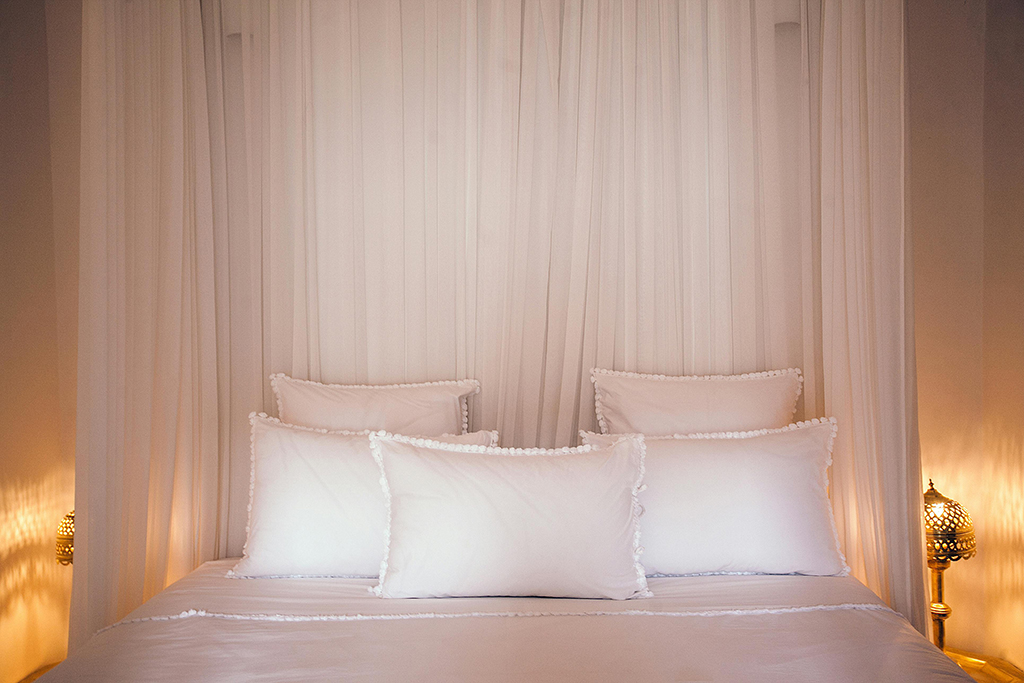
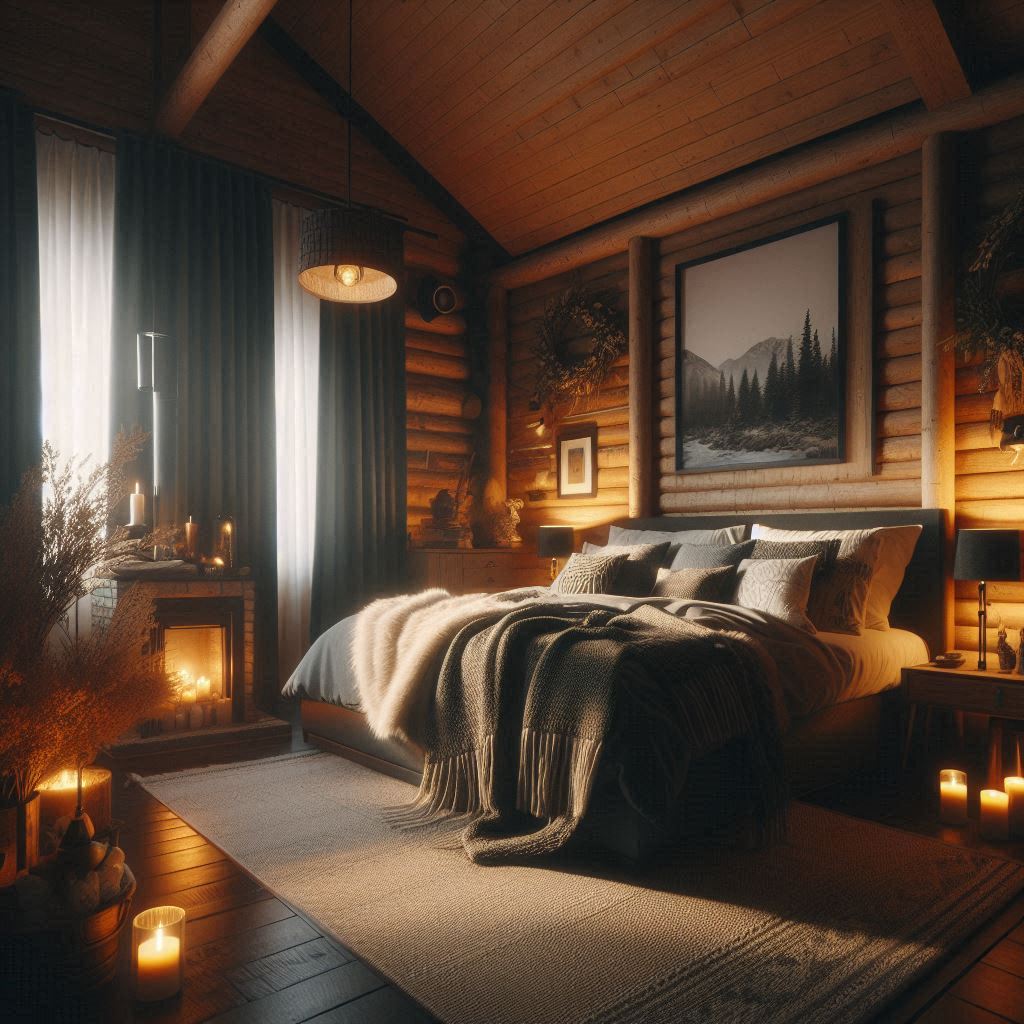
Lack of sleep can take a toll on your mind and body. It’s important to set up your own cozy space to ensure you get the most restful sleep. Your bedroom should be a sanctuary for resting, recharging and relaxation.
Ways to Create a Relaxing Sleep Environment
- Optimize Your Bedroom for Sleep: Invest in a comfortable mattress and pillows, and use soft, breathable bedding. Extra soft cooling bedsheets can help keep you comfortable throughout the night. A cooling blanket may be helpful in warmer weather or for people who feel hot when they sleep by maintaining ideal temperatures for a good night’s sleep.
- Create a Comfortable Atmosphere: Keep the room cool, quiet, and dark to promote uninterrupted sleep. According to SleepFoundation.org, a temperature between 65-68°F is ideal for sleep and up to 69°F for infants. You can use thermal insulated curtains to darken your room and block 100% of the light. 3D sleep masks are made to fit the shape of your face, especially if you sleep on your side, and they keep out the light.
- Calm The Environment: Aromatherapy can be a powerful tool for relaxation. Essential oils like lavender, chamomile, and valerian have soothing properties. Use a diffuser or apply a few drops to your pillow. A pre-mixed aromatherapy linen mist can be used to spray the bedroom, your bed linen, your clothing and your pillows.
- Reduce Noise: Consider using white noise, nature sounds or soft music to block out disruptive sounds. Consistent, gentle background noise can help mask other sounds that might interrupt your sleep. A fan can be used for white noise and the extra added benefit of keeping the room cooler.
- Manage Light Exposure: During the day, expose yourself to natural light to help regulate your sleep-wake cycle. In the evening, dim the lights to signal to your body that it’s time to prepare for sleep. Lamps that include a nightlight, gives you the ability to lower the lights easily. A light that you can program, to automatically dim at bedtime and brighten in the morning, can help you unwind naturally.
By creating a relaxing sleep environment and adopting healthy sleep habits, you can reduce stress and enhance overall well-being. Prioritize your sleep to enjoy a more balanced, stress-free life.